We use cookies on this website to ensure its proper functioning and to improve the quality of our services. Cookie Policy
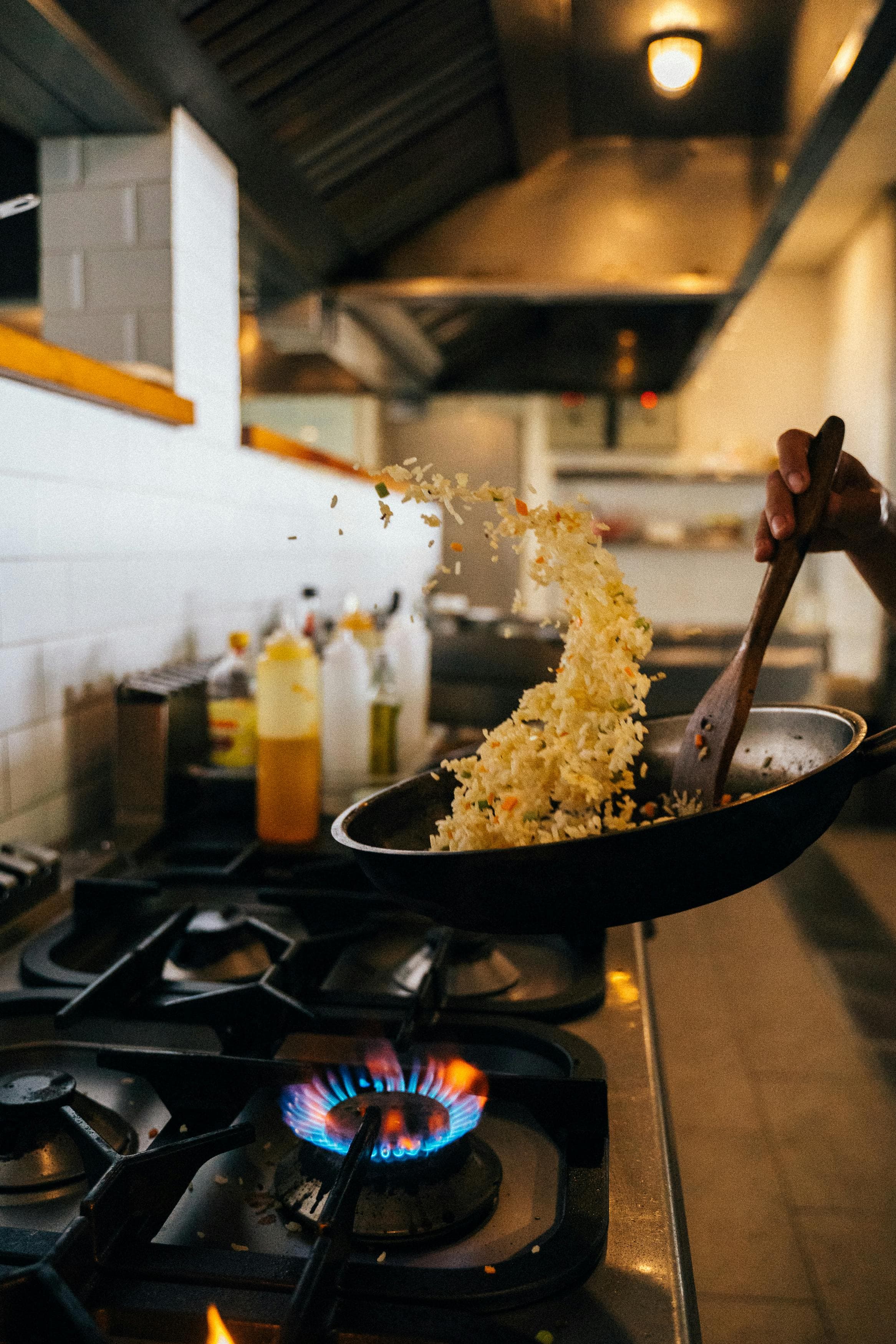
With the world becoming more conscious of the food we consume and whether it's healthy for us or not, many of the unquestioned kitchen practices have come to light. People everywhere have become more aware of the products they use, their benefits, their harms, and their impact on our environment. One of the areas of growing concern is the cookware we use daily. In this article, we will shed light upon the risks and benefits of commonly used cookware.
Cookware hygiene is often overlooked even by the most conscious chefs in the house. People take great care when handling the ingredient's safety and hygiene but ignore the fact that their cookware also touches the food. Toxins from their material often slip into the food and harm your health. Fine particles and unhealthy fumes from these utensils often dissolve into food, and over time, these may lead to organ damage. Remember, many of these toxins won’t cause much harm by themselves, but when accompanied by other toxins, they can become a matter of concern.
So, let’s decode the everyday cookware you use and understand how they impact your cooking.
Aluminium is commonly used in cookware often in pans and baking tins. Known for its lightweight, inexpensive, and heat-conducting qualities, Aluminum cookware can be made solely from aluminum or mixed with other metals that increase its durability.
Risks involved: Aluminium can leach onto the food that you cook in it. The human body already excretes aluminium in small amounts, which doesn't put a person at risk. However, excessive or frequent exposure to aluminium may lead to neurological issues. Aluminium excess has been linked to Alzheimer's disease in some studies, although no concrete evidence has been found. Regardless, it does call for cautionary use, as the lack of evidence does not mean it is safe; we just do not know what it can do.
Safety measures to take
Opt for anodised aluminium; the protective layer in this cookware reduces the risk of aluminium leaching into food.
Avoid cooking acidic foods as they might react with aluminium and alter the taste of your food, bringing a certain bitterness to it.
Best for: Slow-cooking rice, pasta, or boiling potatoes.
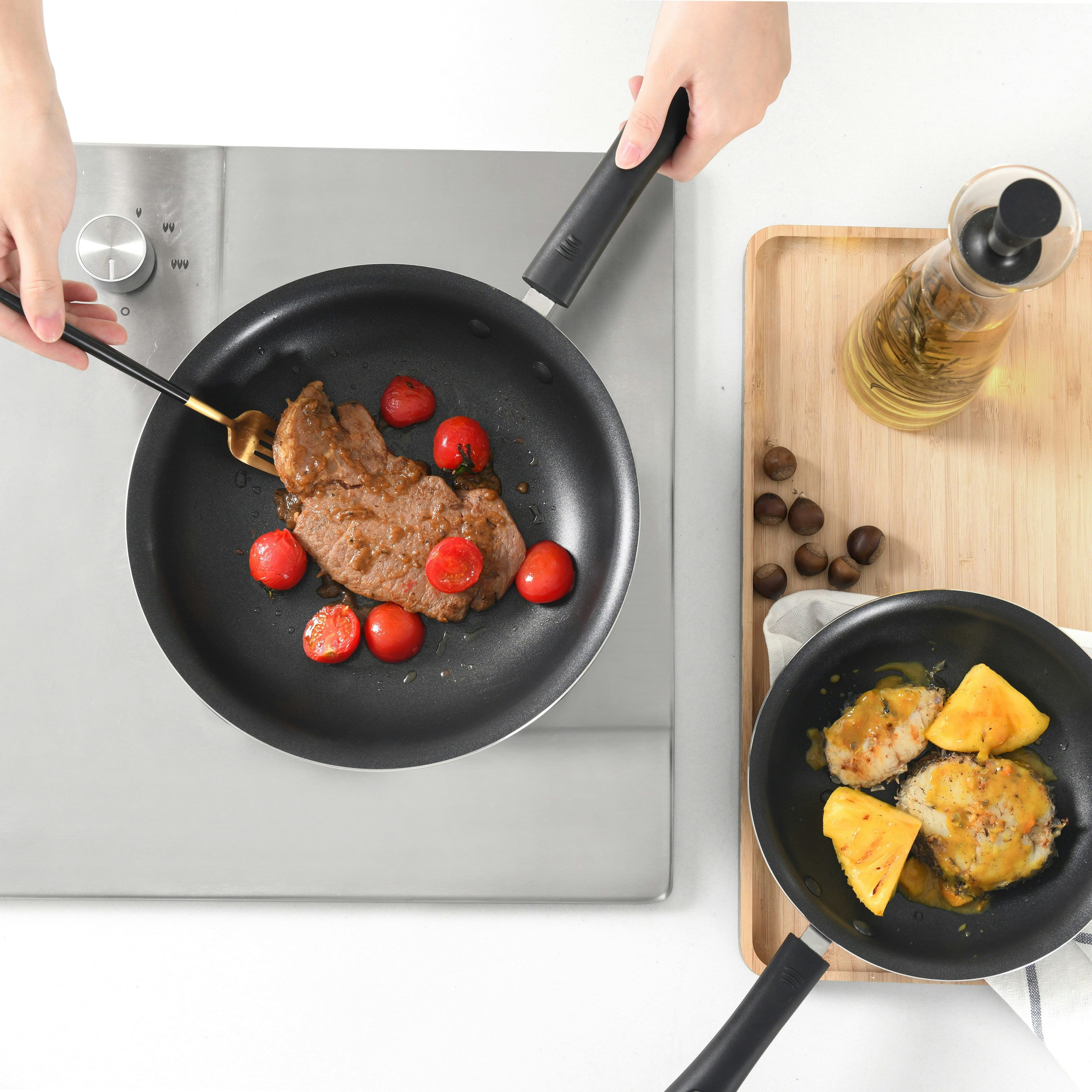
Non-stick surfaces require little to no oil, enabling healthier cooking with less fat.
The most common cookware found stumbling in every kitchen cabinet is a good old nonstick pan. Nonstick pans are made by applying a Teflon coat on a metal or non-metal cookware to make the surface “non-stick”, as in a surface to which your food cannot stick while you are cooking. Teflon or polytetrafluoroethylene (PTFE) is a synthetic chemical made up of carbon and fluorine atoms.
Teflon-coated cookware is non-stick, non-reactive, durable, and quite frictionless, making it an ideal cookware. However, they are not the safest when it comes to high-temperature cooking, as beyond the 500°F/ 260°C mark, Teflon coating has the possibility of breaking down and releasing toxic fumes into the air. Despite these risks, Traditional Nonstick is a commonly used cookware, and when handled with care, it doesn't cause much damage.
Risks involved: Upon overheating, this cookware releases toxic fumes that can cause “polymer fume fever” or “Teflon flu”, a temporary flu-like illness that leaves the affected with symptoms such as fever, shivering, sore throat, and weakness.
Safety measures to take
Never preheat an empty nonstick pan or saucepan. Non-stick cookware is known to heat up quickly within minutes, so it is important to avoid overheating by preheating an empty nonstick cookware. In general, avoid cooking at a high heat when using this cookware.
Ventilate your kitchen well when using Teflon-coated cookware to help clear the fumes.
Make sure to replace nonstick cookware as soon as it starts to visibly deteriorate with excessive scratches, peeling, flaking, and chipping, or after 8 years of usage, whatever comes first. It is usually when the Teflon coating starts separating from the surface.
Avoid using steel scrubbers to clean these utensils as they can scratch the surface and break the coating. Clean it gently using softer materials like sponges.
Best for: Delicate food like pancakes, eggs, and cheese sandwiches.
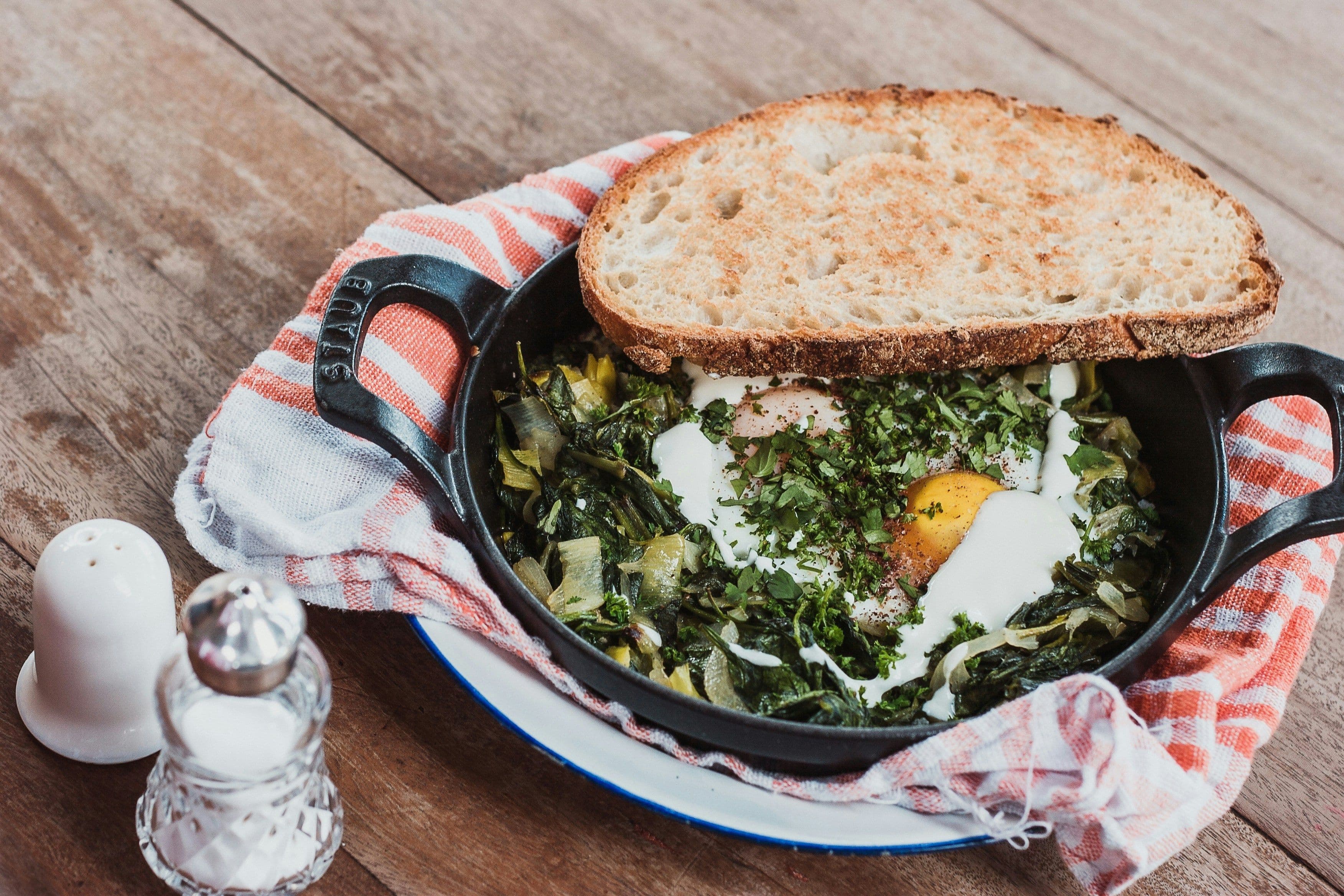
Cast iron is incredibly durable, with many families passing down skillets and pots for decades or even centuries.
Cast Iron cookware has been around for quite some time. Its durability, heat-retaining abilities, and non-stick properties, once seasoned effectively, have made it a go-to choice for high-temperature cooking. However, many people struggle with properly maintaining their cast iron cookware as it is prone to rust if not kept well-oiled and dried.
Risks involved: Cast Iron adds a small amount of iron in the food which can be beneficial for people with iron deficiencies but also pose a health risk for people prone to iron overload. Additionally, poorly seasoned cast iron cookware can alter the taste of your food, especially if it's something acidic.
Safety measures to take
Season your cast iron cookware regularly to create a protective layer that will not only make it non-stick but also prevent rust.
Avoid cooking highly acidic food for long periods, as they can break down the seasoning layer of your cast iron.
Best for: Searing steaks, sautéing vegetables, pan frying fish and meat, roasting and soups.
Copper cookware is an exceptional heat conductor, allowing you to precisely control the temperature during cooking. Copper cookware is known for its aesthetic appeal, and although it is not a very popular cookware as it can be quite expensive, that is why most copper cookware in the market is only Copper coated on the outside to increase its appeal. It is a relatively high-maintenance cookware.
Risks involved: A little copper in the food and water can actually be beneficial as it is known to kill harmful bacteria and microorganisms. However large amounts of copper intake can result in copper toxicity that can cause nausea, vomiting, and long-term liver or kidney damage.
Safety measures to take
Use copper utensils that are lined with stainless steel to prevent copper particles from integrating into your food.
Avoid cooking acidic food in copper cookware as they can result in higher copper leaching.
Wash your copper cookware gently so as not to scrape away the lining.
Best for: Dishes that require precise heat control, like melting chocolate or cooking sauces.
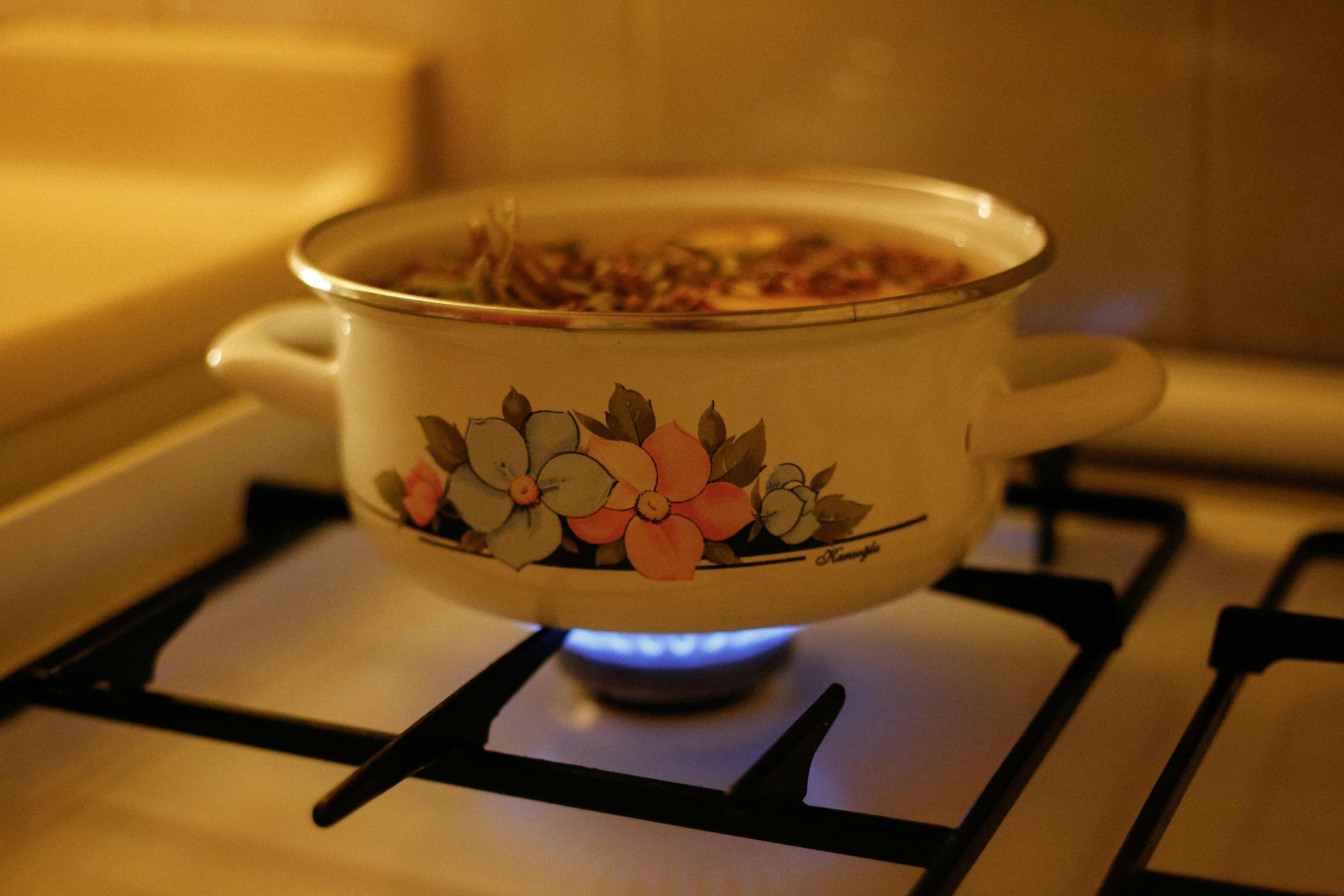
The oldest known pots, discovered in China, are over 20,000 years old and were made of ceramic.
One of the safest choices when it comes to cookware, ceramic cookware is truly non-stick, non-reactive, and non-toxic. The issue with ceramic cookware is that not all of it is properly produced. The quality of ceramic that is commonly sold can be questionable. It is very rare to come across pure ceramic cookware. So, it becomes essential to buy ceramic cookware only after careful inspection and from reputed places, which leads to an increase in the price of the product.
Risks involved: Low-quality ceramic cookware might contain lead as a result of improper glazing.
Safety measures to take
Avoid buying cheap ceramic cookware. Opt for high-quality products that are safe from harmful elements like lead. Make sure you purchase ceramic that is certified lead-free.
Ensure that the ceramic cookware is replaced when the coating starts chipping or cracking.
Best for: Slow-cooked meals, tomato soup, or one-pot dishes.
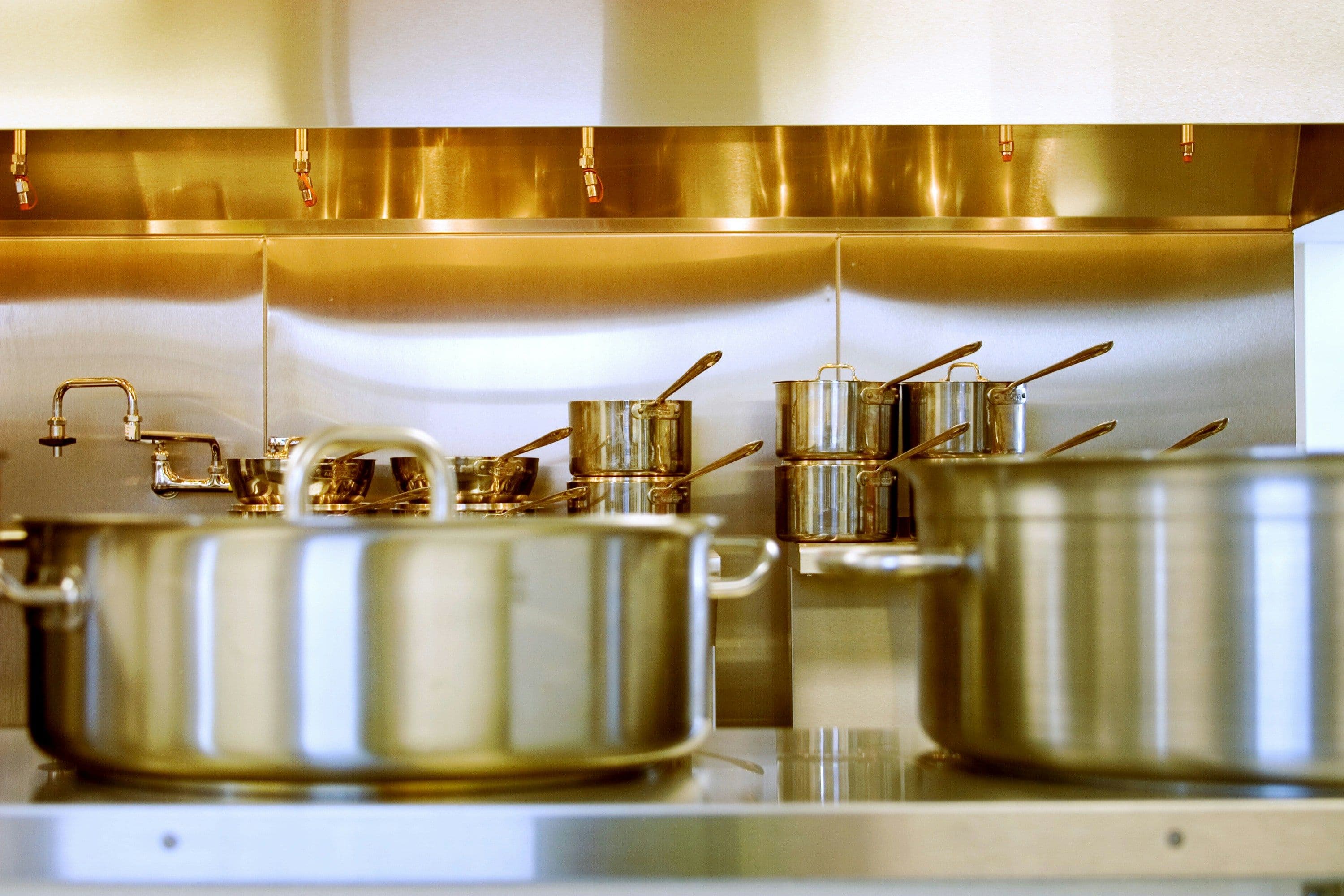
The shiny, polished surface of stainless steel doesn’t just look good—it’s also non-porous, making it hygienic and easy to clean.
Another highly common kitchenware member, stainless steel utensils are widely used as they are highly durable, non-reactive, and non-toxic, making it one of the safest choices. Stainless steel cookware distributes heat evenly over its surface making it a great choice for everyday cooking. Its inexpensiveness compared to the other cookware options, make it a household choice for every home.
Risks involved: Stainless steel is pretty risk-free, but make sure to invest in good-quality cookware.
Safety measures to take
Best for: A wide range of cooking methods, from boiling, sautéing, or frying.
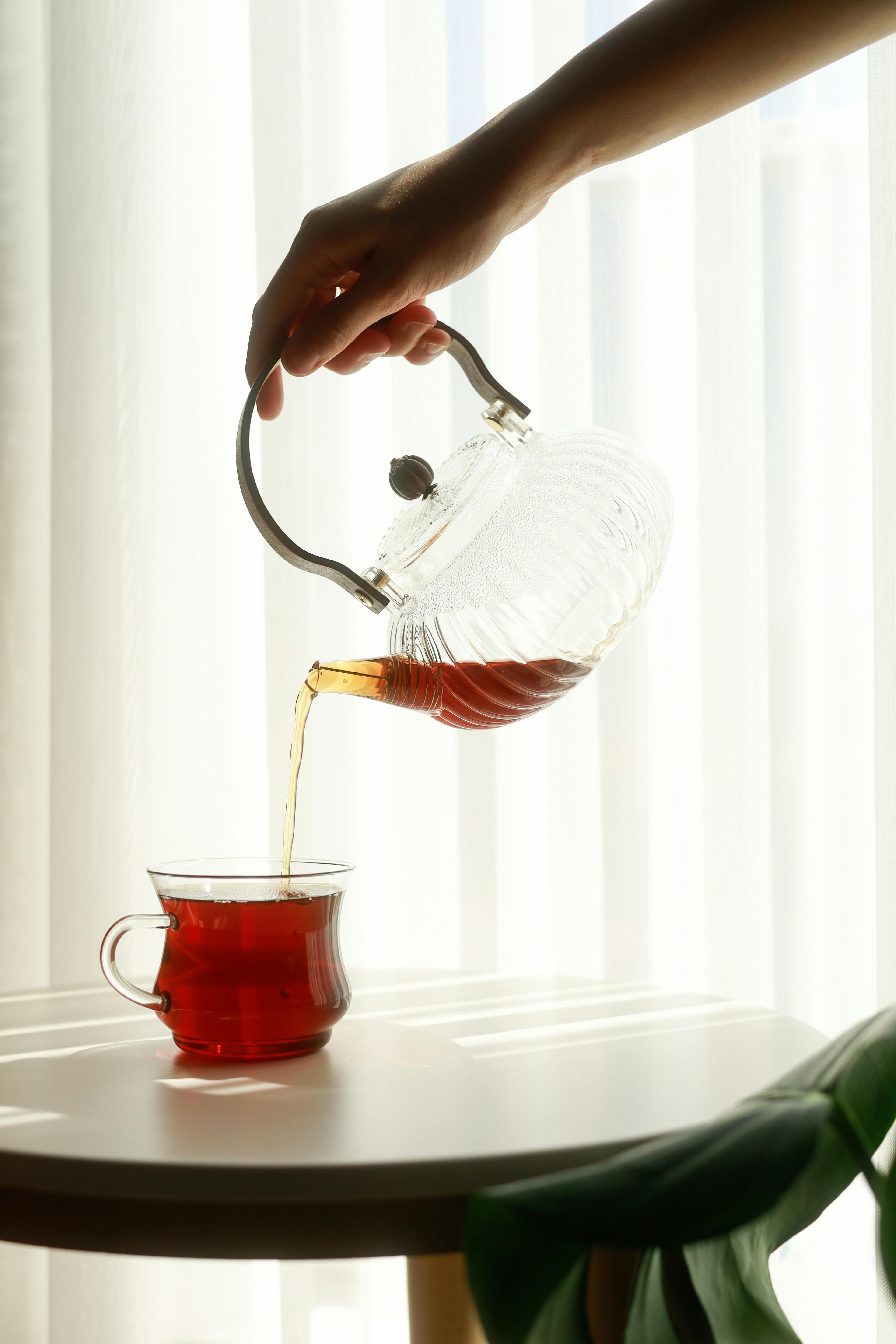
Glass is one of the few cookware types that can transition seamlessly from oven to microwave to table without concerns.
Glass is well-appreciated cookware in the culinary world as it is non-toxic, non-stick, oven-safe, and microwave-safe on top of that, it offers great aesthetic appeal to your kitchen.
Risks involved: Glass cookware cannot withstand sudden temperature changes and breaks. The broken glass can be dangerous as it is easily cut through skin and some pieces could be extremely fine and hard to clean leading to a risk of cutting.
Safety measures to take
When handling glass cookware, make sure not to subject it to sudden temperature changes. Don’t place it under cold water immediately after getting it off the stove or vice-versa.
Handle them with care as they are relatively sensitive material.
Make sure to purchase oven-safe glass cookware for a wider variety of usage.
Best for: Brewing tea, baking casseroles and lasagna, low-temperature roasting, serving desserts.
Every cookware comes with its pros and cons. There is no right answer to what is the perfect cookware. But it is good to know the right way to use every cookware and what risks they come with. That way, you can control their risks and still manage to utilize them for their benefit.
While the Teflon toxins and metal leaching are safety concerns when used the right way, they too can serve as helpful cooking companions. However, if you are not willing to take risks, low-nickel stainless steel, glass cookware, and high-quality pure ceramics are some of the safer cookware options. So the next time you are out to buy utensils, feel free to refer to our guide and choose the cookware best suited to your preferences.
Updated on 24 Jul 2025
Save recipes from anywhere, and get answers, swaps, and help as you cook.

